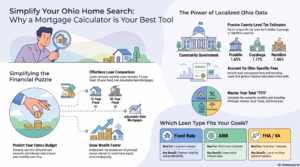

Buying a home in the United States is like navigating a maze. It has lots of interest rates and down payment rules. You need a clear way to your dream home without stress.
Digital tools give you the clarity needed to look at your financing options fast. They help you manage your time well while making big decisions about your home.
Technology is key in today’s planning. It lets you check out different scenarios in seconds. These tools give you the exact info you need to succeed in the housing market. Learning to use them is the smartest way to secure your financial future.
Key Takeaways
- Digital tools provide instant clarity for complex home financing decisions.
- Efficient planning saves you valuable time during the house-hunting process.
- Accurate data helps you navigate the competitive United States housing market with confidence.
- Modern technology removes the guesswork from calculating monthly housing expenses.
- Strategic use of these resources empowers you to make informed long-term investments.
Understanding Mortgage Calculators
A mortgage calculator is more than a simple tool. It’s your guide to owning a home. It quickly sorts out complex money matters, helping you make smart choices.
What is a Mortgage Calculator?
This tool is a digital wonder that does math fast. Just put in the home price, down payment, and interest rate.
“The secret to financial freedom is not just earning more, but understanding exactly where your money goes every single month.”
After you enter the numbers, a mortgage payment calculator shows your monthly costs. This helps you plan your budget better, showing how loan terms affect your money.
Types of Mortgage Calculators Available
There are many tools out there, each for different needs. Whether you’re buying your first home or refinancing, there’s one for you.
- Basic Estimators: These give a quick look at your payments.
- Comprehensive Calculators: These include property taxes, insurance, and PMI.
- Refinance Calculators: These help you see if refinancing saves money.
The table below shows the main differences between these tools:
| Calculator Type | Primary Focus | Best For |
|---|---|---|
| Basic | Principal & Interest | Quick Estimates |
| Advanced | Total Monthly Cost | Detailed Budgeting |
| Refinance | Savings Analysis | Loan Comparison |
Using a good mortgage calculator is key to managing your home loan. With a mortgage payment calculator, you make sure your home buying journey is based on accurate data.
Benefits of Using Mortgage Calculators
Using a mortgage calculator makes buying a home easier. It helps you understand interest rates and how much you’ll pay back. It’s like having a personal financial helper.
Save Time and Effort
Calculating how much you’ll pay back can be hard and wrong. A digital mortgage calculator gives you quick, right answers. This lets you look for homes without worrying about math.
These tools mean you don’t need to pay someone else to help at first. You can try different down payments and loan lengths fast. This makes planning easier.
Gain Clarity on Loan Options
It’s key to know how loans affect your money in the future. A mortgage calculator lets you see how different loans compare. This helps you pick the best one for your budget.
Seeing your future payments helps you feel sure. You can make choices that fit your money goals. This is important before you talk to a lender.
| Feature | Manual Calculation | Digital Calculator |
|---|---|---|
| Speed | Slow and tedious | Instant results |
| Accuracy | Prone to human error | High precision |
| Scenario Testing | Limited flexibility | Unlimited comparisons |
| Ease of Use | Requires advanced math | User-friendly interface |
Key Features of Mortgage Calculators
Using digital calculators can change how you buy a home. They give you a comprehensive view of what you might owe. With the right tools, you can feel sure when buying a home.
Amortization Schedules
A good mortgage rate calculator shows your loan’s details. It breaks down your payments into principal and interest. You’ll see your equity grow as you pay more principal each year.
Interest Rate Comparisons
A mortgage comparison calculator helps you see rate differences. A small rate change can save or cost a lot over time. It lets you pick the best loan for your future.
Monthly Payment Estimates
Knowing your monthly payments is key for a good budget. A good tool includes property taxes and insurance. This helps you plan and avoid surprises, keeping your mortgage sustainable.
| Feature | Primary Benefit | Financial Impact |
|---|---|---|
| Amortization Schedule | Tracks Equity Growth | Reduces Long-term Interest |
| Rate Comparison | Identifies Savings | Lowers Monthly Obligations |
| Payment Estimation | Budget Accuracy | Prevents Overspending |
How to Use a Mortgage Calculator Effectively
Understanding home loans is easier with the right tools. A mortgage payment calculator helps turn complex numbers into a clear plan for your future. Precision is key for planning your homeownership.

Inputting Your Information
To get accurate results, enter your loan details carefully. Start with your loan amount, interest rate, and down payment. Accuracy is vital because small changes can affect your future finances a lot.
Most calculators let you change the loan term. Try different terms like 15 or 30 years. This shows how your monthly payments change. A good calculator lets you easily try different scenarios.
Interpreting the Results
After inputting your data, the calculator shows your estimated monthly costs. This helps you see if you can afford it before you sign with a lender. Carefully reviewing these numbers shows how a bigger down payment can lower your monthly payments.
Knowing these results helps you make smart budget choices. If the first estimate is too high, you can adjust your inputs to find a better fit. The table below shows how changing things affects your monthly payments.
| Variable Adjusted | Impact on Monthly Payment | Financial Benefit |
|---|---|---|
| Higher Down Payment | Decreases | Reduces total interest paid |
| Lower Interest Rate | Decreases | Increases long-term savings |
| Shorter Loan Term | Increases | Builds equity faster |
| Higher Loan Amount | Increases | Allows for higher property value |
Knowing how to use a mortgage calculator keeps you in control of your finances. By trying different scenarios, you stay in charge of your home-buying journey.
Comparing Different Loan Offers
When you start looking for a home, comparing loans is key. Many just look at the interest rate. But, this misses the real cost of borrowing. A loan comparison tool helps you see which loan fits your goals best.
Using mortgage calculators shows the full picture. They let you try different rates and terms. This way, you see how they affect your monthly payments.
Side-by-Side Comparisons
Comparing loans side-by-side is very helpful. You can see up to three loans at once. This makes it easy to spot the best deal for your home.
With this view, you can quickly see which loan is best. No more guessing or juggling numbers. You get a clear picture of your financial future.
Understanding Fees and Terms
Don’t just look at the interest rate. Remember, closing costs and fees can change the loan’s total cost. Always remember a lower rate might mean higher fees upfront.
When using a calculator, think about these things:
- Closing Costs: Add these to your budget to avoid surprises.
- Loan Term Length: See how a shorter or longer term affects your payments.
- Total Interest Paid: Look at the total interest to understand the loan’s long-term cost.
This way, you’re not just looking at one number. You’re looking at the whole deal. This helps you protect your budget and find a loan that really meets your needs.
Real-World Applications of Mortgage Calculators
These digital tools help you understand your finances better. They are great for first-time homebuyers or those wanting to lower payments. With a mortgage affordability calculator, you can plan your future more clearly.
For First-Time Homebuyers
Buying a home for the first time can be scary. There are so many things to think about. A mortgage affordability calculator helps you figure out how much house you can buy.
Just enter your income, debts, and savings. You’ll see how much you can afford. This way, you won’t spend too much.
Here are some benefits for new buyers:
- Accurate Budgeting: Find a home that fits your budget.
- Debt Management: Know how your debts affect your mortgage.
- Down Payment Planning: See how a bigger down payment changes your payments.
For Refinancing Existing Loans
At some point, your loan might not fit your financial goals. A special calculator helps you decide if refinancing is right. It shows if it’s a good choice or not.
Compare your current rate with new offers. See if you’ll save money each month. These tools also show when your savings will cover the costs of refinancing. Data-driven decisions help you save money or use your home’s value.
Common Mistakes to Avoid
Even the most advanced financial tools can go wrong if you enter wrong data. When using a mortgage calculator, your results depend on the info you give. Make sure your numbers are right to avoid money troubles later.
Input Errors
One big mistake is forgetting to include all costs in your calculation. People often just look at the loan amount and interest rate. But, property taxes, insurance, and PMI also affect your monthly payments.
Leaving these out can make you think you can afford more than you can. This can cause stress when you apply for a loan. Always check your inputs to cover all costs of owning a home.
Misinterpreting Calculator Outputs
Another mistake is not understanding the calculator’s data. It’s important to know the difference between principal and interest payments. These change over time and can affect your budget.
Also, think about how different loan terms can save you money in the long run. If you’re thinking about refinancing, learn about 5 mistakes to avoid. Knowing what the calculator assumes helps you control your finances better.
| Common Mistake | Potential Impact | Recommended Action |
|---|---|---|
| Ignoring Taxes/Insurance | Underestimated monthly budget | Include all escrow items |
| Using Wrong Interest Rate | Inaccurate long-term cost | Use current market averages |
| Overlooking Loan Fees | Hidden closing cost surprises | Factor in origination fees |
| Misreading Amortization | Confusing principal vs. interest | Review the full schedule |
Selecting the Right Calculator for Your Needs
Using a top-notch mortgage comparison calculator makes your path to owning a home clearer. There are many digital tools out there. Finding the right one for your financial goals is key.
Choosing wisely means you get accurate info for planning ahead.
Online vs. App-Based Calculators
Choosing between online tools and apps depends on what you like best. Online tools are easy to find and use right in your browser. They’re great for deep-dive sessions on a big screen.
Apps, on the other hand, are handy because you can use them anywhere. They’re perfect for quick checks while you’re out looking at houses. Both types work well if they have the latest market data.

Recommended Mortgage Calculator Tools
When looking for the best mortgage calculator, choose ones that are easy to use and clear. Look for tools from trusted financial places. They often have videos to help you understand.
For a reliable tool, check out the mortgage calculator from top financial leaders. It’s known as one of the best mortgage calculator tools. It uses real-time data and shows things clearly. A good mortgage comparison calculator makes you feel sure as you look at loan options.
Understanding Mortgage Terminology
Before you start comparing home loans, learn the lender’s language. Knowing real estate finance terms helps you understand your documents. This lets you make informed decisions with confidence.
Key Terms You Should Know
To get the most from your calculator, learn basic mortgage terms. These terms shape your monthly payments and debt over time.
- Principal: The money you borrow to buy your home.
- Interest: The cost for borrowing that money.
- Escrow: A place where taxes and insurance are kept for you.
- APR (Annual Percentage Rate): A total cost of borrowing, including interest and fees.
Knowing the difference between interest rate and APR is key for a good home loan comparison. The interest rate shows your monthly payment. But APR gives a full picture of the loan’s cost.
Common Loan Structures Explained
Loan structures affect your payments over time. Picking the right one is crucial for your home loan comparison. It affects your financial future.
Most people face two main loan types:
- Fixed-Rate Mortgages: Your rate stays the same, making your budget stable.
- Adjustable-Rate Mortgages (ARM): Rates can change with the market. They might start low but could rise.
Knowing these structures helps match your mortgage to your goals. Always check how different structures affect your home loan comparison over years.
The Role of Interest Rates in Calculations
Interest rates are key when you look at your home loan. They affect your monthly payments and the total interest you pay. A mortgage rate calculator shows how rate changes impact your future finances.
Fixed vs. Variable Rates
Deciding between fixed and variable rates is big. Fixed rates mean your payments stay the same, no matter what. This makes planning your budget easier.
Variable rates might start lower than fixed rates. But, they can go up each year based on the market. Think about saving money now versus possibly paying more later.
How Rates Affect Your Payments
Interest rates are what mainly decide your monthly payment. Even a small change in rates can make a big difference over time. A mortgage rate calculator helps you see how different rates affect your payments.
It’s important to understand how rates change. This helps you pick a loan that fits your financial goals. Use a mortgage rate calculator to compare and choose wisely. Always think about your long-term financial health.
Maximizing Your Savings with Calculators
Using the right loan comparison tool can save you a lot of money. These tools help you see how your choices affect your money over time. This way, your home can help grow your wealth, not just cost you money.
Budgeting for Your Mortgage
A mortgage affordability calculator is key to knowing how much to spend. It makes sure you can still save for the future. Balancing your housing budget keeps you financially stable and builds home value.
Think about these things when budgeting:
- Total monthly debt-to-income ratio.
- Projected maintenance and property tax costs.
- Contributions to your long-term investment accounts.
Planning for Future Financial Goals
Use your loan comparison tool to see how extra payments can save you money. Even a little extra each month can cut down your loan term. This means you can own your home sooner and have money for other things.
Also, think about energy-saving upgrades. Loans for these can save you money on bills. A mortgage affordability calculator shows how these upgrades can pay off. Proactive management of debt now means more freedom for your future.
Conclusion: Your Next Steps
Knowing your financial data changes how you think about owning a home. A mortgage calculator is a key tool for planning.
You now have the tools to look at different loan options with confidence. A good mortgage payment calculator shows how interest rates affect your budget over time.
Applying Your Financial Insights
Use the results from your favorite mortgage calculator when you meet with a lender. These numbers are a good starting point for talking about your financial goals.
Online tools give good estimates, but they don’t cover every detail of your credit. A loan officer at places like Chase or Wells Fargo can give you the personal help you need.
Partnering with Industry Experts
Take your printed reports or saved digital summaries to your meeting. This shows you’re serious about borrowing wisely and helps your lender understand you better.
By combining your research with expert advice, you’re set to make smart choices. You’re ready to move forward with confidence as you buy your future home.