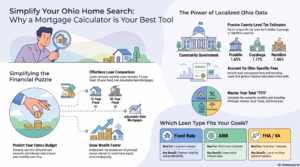

Buying a home is a big step in your life. You need to know your future money costs before you sign anything.
A good online tool helps you guess your monthly costs. For example, a $100,000 loan for 30 years at 6% interest means about $600 a month for the loan itself.
Make sure your browser has JavaScript on. Doing this early helps you feel secure in your new home.
Key Takeaways
- Know your monthly housing costs before you get a loan.
- A $100,000 loan at 6% interest costs under $600 a month.
- Your browser needs JavaScript for the tool to work right.
- Planning early is key to being a good homeowner.
- Use online tools to understand your long-term budget.
What is a Mortgage Payment Calculator?
A mortgage calculator is key for buying a home. It makes complex numbers simple. It connects your current money situation to your future home dreams.
By putting in certain numbers, you see how loan terms affect your monthly costs. This helps you plan better and avoid surprises with lenders.
Definition and Purpose
This tool is a special digital tool for home buyers. It shows your monthly housing costs. It uses your financial info to give you a clear picture of your monthly commitment.
Make sure to use a modern browser with JavaScript. This lets the calculator update fast as you change your loan details. You always get the latest numbers.
Key Features
Good mortgage calculators have fields for loan amount, interest rate, and term. They show you how much you’ll pay each month.
These tools also let you compare different scenarios. Here’s why they’re better than guessing:
| Feature | Manual Calculation | Digital Calculator |
|---|---|---|
| Speed | Slow and tedious | Instant results |
| Accuracy | Prone to human error | High precision |
| Flexibility | Difficult to adjust | Dynamic updates |
| Complexity | Limited to basic math | Handles advanced variables |
Using these features, you can make smart choices. Whether you’re looking at a 15-year or 30-year loan, the mortgage calculator is vital for planning.
How to Use a Mortgage Payment Calculator
Learning to use a home loan calculator is key to managing your money. It helps you see what your monthly payments might be. This makes your financial future clearer.
Step-by-Step Guide
To use your digital tool well, follow a simple order. Make sure your inputs are the same. This keeps your results trustworthy.
- Home Price: Put in the total cost of the house you want.
- Down Payment: Enter the cash you’ll pay upfront. This lowers your loan amount.
- Loan Term: Choose how long you want to pay off the loan, like 15 or 30 years.
- Interest Rate: Type in the yearly rate you expect to pay on your loan.
Tips for Accurate Results
To get the best from a mortgage calculator, be precise. Use the interest rate from your preapproval letter for a better guess.
If you’re just starting, use current market rates. Remember, these tools give estimates, not final deals. Update your info as your money situation changes. This keeps your plans on track for your future.
Factors That Affect Your Mortgage Payment
Your monthly mortgage payment has many parts. Before you sign a loan, it’s good to know about them. A loan payment calculator shows you the total cost, not just the loan amount. This total is called PITI, for principal, interest, taxes, and insurance.

Principal and Interest
The main parts of your payment are the principal and interest. The principal is what you pay to reduce the loan balance. The interest is the cost of borrowing the money.
In the beginning, most of your payment goes to interest. But as you pay more, more goes to the principal. A good mortgage estimator shows how these parts change over time.
Property Taxes
Property taxes are a must-pay to your local government. They’re based on your home’s value and change by area. So, your monthly payment might change a bit each year.
Lenders use an escrow account for these taxes. This way, they’re paid on time. Including them in your loan payment calculator gives a clearer picture of your costs.
Homeowner’s Insurance
Lenders want you to have homeowner’s insurance. It protects your home from damage. You also might need Private Mortgage Insurance (PMI).
PMI is needed if you put down less than 20% of the home’s value. A mortgage estimator helps you plan for these extra costs.
Understanding Mortgage Terms
Choosing the right mortgage is key to your financial future. The terms you pick affect your monthly payments and total interest. A loan calculator helps you see how these choices impact your budget.
Fixed-Rate vs. Adjustable-Rate Mortgages
A fixed-rate mortgage has a steady interest rate. This makes your payments easy to plan. It’s great if you’ll live in your home for a long time.
An adjustable-rate mortgage (ARM) starts with a low rate. But, the rate can change later. Use a loan calculator to see how rate changes might affect your payments.
Loan Duration Options
The length of your mortgage matters a lot. You can choose from 15, 20, or 30 years. Shorter terms mean higher payments but less interest over time.
A 30-year fixed mortgage means 360 payments. This spreads the cost over 30 years, keeping payments low. Think about these differences when deciding:
- 15-Year Term: Builds equity fast and saves on interest.
- 20-Year Term: A balance between affordability and interest savings.
- 30-Year Term: Has the lowest monthly payment, helping with cash flow.
The right choice depends on your income and goals. It’s about finding a balance between now and later.
Advantages of Using a Mortgage Payment Calculator
A reliable mortgage payment calculator is key for buying a home. It shows your monthly payments right away. This makes it easier to plan your finances.
Taking control of your numbers early helps you feel sure when looking for a home.
Quick and Easy Estimates
These tools give fast estimates for different scenarios. You can change things like interest rates and down payments. Testing these different inputs helps you know how much you can afford.
You don’t need to call a lender for every small change.
Better Financial Planning
These tools help with long-term planning too. Small changes in interest rates can save or cost a lot of money. Seeing these effects helps you choose the right mortgage for your life and future.
The table below shows how changing your down payment and interest rate affects your monthly payments:
| Loan Amount | Interest Rate | Down Payment | Monthly Payment |
|---|---|---|---|
| $300,000 | 6.5% | $30,000 | $1,705 |
| $300,000 | 6.5% | $60,000 | $1,515 |
| $300,000 | 7.0% | $30,000 | $1,775 |
| $300,000 | 7.0% | $60,000 | $1,578 |
Using a mortgage payment calculator helps you not spend too much. It lets you make informed, data-driven decisions for your financial health.
Common Mistakes When Calculating Mortgage Payments
Using a loan calculator is a good start. But, you must watch for details. Precision is key when planning your housing budget.

Ignoring Additional Costs
Many people only look at the principal and interest. But, this misses the real cost of owning a home. You need to think about HOA fees, property taxes, and PMI too. Not adding these costs can make your debt look smaller than it is.
Don’t forget about maintenance costs. Even if your mortgage looks okay, repairs can surprise you. Always add extra money for these costs when using a loan calculator.
Misestimating Interest Rates
Another mistake is using too low interest rates. Rates can change, affecting your costs. Be realistic about interest rates to avoid budget problems.
Guessing a low rate can lead to trouble. Try using higher rates to see if you can handle them. This way, you keep your finances safe and your home a happy place.
How to Interpret Your Mortgage Payment Calculation
After using a mortgage estimator, you start planning your finances. It’s key to look at more than just the monthly number. This helps you see how your money is used over time.
Breakdown of Payment Components
Your monthly payment has four main parts, called PITI. The principal lowers your loan balance. The interest is what you pay for borrowing. You also pay for property taxes and homeowner’s insurance in an escrow account.
A good loan payment calculator shows how these parts change. Changing your down payment or loan term shows how each part moves. This helps you plan your housing budget better.
Understanding Amortization Schedules
An amortization schedule shows your loan’s life path. It tells you how much of your payment goes to interest and principal each month. At first, more goes to interest, but it changes over time.
Looking at this schedule is crucial. It shows when your loan will be paid off. A loan payment calculator helps you see this change. It shows the long-term effect of your choices.
| Payment Component | Primary Purpose | Impact on Equity |
|---|---|---|
| Principal | Reduces loan balance | Increases ownership |
| Interest | Cost of borrowing | No equity gain |
| Taxes & Insurance | Protects property | No equity gain |
This mortgage estimator data helps you understand your home commitment. Consistency in payments is key to reaching your goals. Always check these details before signing any loan.
When to Recalculate Your Mortgage Payments
Your money situation changes often. It’s key to check your housing costs regularly. Even if you got a good rate at first, life changes can alter your goals. Being proactive keeps your home a good investment, not a money pit.
Changes in Interest Rates
Interest rates can change a lot. If rates drop, refinancing might save you money. A mortgage affordability calculator shows if the savings are worth the costs of a new loan.
“The secret of getting ahead is getting started, but the secret of staying ahead is constant adjustment to your changing environment.”
Life Events Impacting Finances
Big life changes, like a new job or more debt, mean you need to review your budget. Experts say you should spend no more than 28% of your income on housing. And no more than 36% on all debt.
If your income goes down or debt goes up, you might spend too much. A house payment calculator shows how these changes affect your money. This helps you decide how to manage your finances better.
Alternatives to Online Mortgage Calculators
Ready to look deeper into your home loan calculator results? There are many professional tools that give a detailed view. Online tools are great for quick checks but can’t match the depth needed for a personal financial plan.
Tools Provided by Lenders
Lenders have special tools for prequalification and preapproval. These tools look at your credit, debt, and interest rates. They give a clear picture of how much you can borrow.
Using these tools, you get insights tailored to your finances. Personalized insights show you what you can afford. This helps before you start looking at houses.
Mobile Apps for Mortgage Calculations
Mobile apps let you check numbers anywhere. They’re perfect for when you’re at an open house or with a real estate agent. Having a mortgage calculator app is very useful.
These apps have cool features like property tax estimates and lender fees. A comprehensive home loan calculator app gives you the best data. This helps you make a smart choice when buying a property.
Resources for Further Mortgage Education
Learning about buying a home is more than one calculation. Books and expert articles give deeper insights. Use the mortgage affordability calculator to match your goals with your budget.
Building a Financial Foundation
Talking to a financial advisor is key. They help you plan your home purchase with your wealth strategy. They guide on managing debt and taxes that affect your money.
Using a house payment calculator keeps you updated. It shows how interest rates and down payments change your monthly payments.
Continuous Learning for Success
Homeownership is a journey that needs ongoing learning and planning. Stay informed about market trends and use digital tools. This builds your confidence in making decisions.
Following sound financial principles makes your path to owning a home stable. It keeps your journey secure for years.