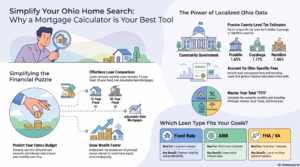

Buying a home is a big deal. It’s the biggest money choice you’ll make. Before you agree to anything, you must know what you’re getting into. Learning How to Use a Mortgage Calculator to Compare Loans helps you understand your options better.
These tools let you compare different rates and terms easily. Just enter some numbers, and see how it changes your monthly payments and total interest. This data-driven approach helps you choose what’s best for you.
Good loan comparison leads to a better deal. Knowing how to use these tools helps you spot hidden costs and avoid problems. Follow this guide to take charge of your home buying journey.
Key Takeaways
- Understand the impact of interest rates on your total debt.
- Use digital tools to visualize monthly payment fluctuations.
- Identify the long-term savings of different mortgage terms.
- Make informed decisions based on your specific budget constraints.
- Gain confidence by analyzing multiple financing scenarios before applying.
What is a Mortgage Calculator?
A mortgage calculator is a digital tool for exploring home loans. It lets you input details like loan amounts and interest rates. This shows how different loans affect your money.
It helps you understand your future home better. It makes hard math easy to understand. This way, you can make smart choices about your home.
Definition and Purpose
A mortgage calculator estimates your monthly and total interest costs. It’s great because you can compare up to three loans at once.
“The goal of financial planning is not just to save money, but to understand the true cost of your commitments over time.”
By comparing loans, you know exactly what you’ll pay each month. You see how changing your down payment or interest rate affects your finances.
Types of Mortgage Calculators
There are many mortgage calculators, each for different loans. Here are a few common ones:
- Fixed-Rate Calculators: Perfect for loans with the same interest rate all the way through.
- Adjustable-Rate (ARM) Calculators: For loans where the interest rate can change later.
- Comprehensive Comparison Tools: These let you compare many loan details at once to find the best deal.
Using a mortgage calculator helps you find the right loan for you. It’s useful whether you’re buying your first home or refinancing.
Benefits of Using a Mortgage Calculator
Using a mortgage calculator is key when buying a home or refinancing. It helps you understand your finances better. Just enter a few numbers, and you’ll see what your future might look like.
Time-Saving Advantages
Doing math by hand is slow and can be wrong. A digital calculator makes it fast and right. This means you can look for homes without getting stuck on numbers.
You can try many scenarios quickly. This is great when you’re under pressure or looking at many loans. It keeps your focus on finding the best deal.
Enhanced Decision-Making
These tools let you see your future budget clearly. Change things like interest rates or down payments to see how it affects your payments. This helps you know if a home is affordable or not.
When refinancing, seeing long-term costs is crucial. You can compare how different loans affect your total interest. These calculators give you the confidence to make smart choices for your future.
Understanding Loan Terminology
Getting a home is easier when you know the lender’s language. Before you use a calculator, learn the basic loan terms. This helps you understand complex papers and make choices that fit your future.
Key Terms to Know
The principal is the money you borrow for your home. The interest rate is what the lender charges for this money. Remember, the interest rate affects your monthly payment.
The Annual Percentage Rate (APR) is important too. It shows the loan’s cost, including fees. Knowing these loan terms helps you see the loan’s real cost, not just the interest.
Common Loan Types Explained
There are two main mortgage types: fixed-rate and adjustable-rate. A fixed-rate mortgage has a steady interest rate. This makes your payments the same every month, helping with your budget.
An adjustable-rate mortgage (ARM) has a rate that can change. It might start low but could go up later. Knowing about these loan terms helps you choose between stable payments and lower costs at first.
Inputting Data into the Mortgage Calculator
To know your financial future, you need to put the right numbers into your mortgage calculator. The better your numbers, the better your results. This way, your mortgage affordability check will show what you can really afford.
Essential Information You Need
First, get the main financial info you need. This info is the base for your calculations. It helps you plan your budget better.
Here’s what you should have:
- Home Price: The total cost of the house you want.
- Down Payment: The cash you’ll pay upfront, which lowers your loan amount.
- Loan Term: How long you’ll take to pay off your mortgage, usually 15 to 30 years.
- Interest Rate: The yearly rate you expect to pay, based on current rates or offers.
How to Estimate Your Costs
Don’t forget to add extra costs that affect your monthly budget. Property taxes and homeowners insurance are key costs that might surprise you. Including these in your calculation gives a clearer view of your monthly payments.
Small changes in interest rates can make a big difference over time. Try different scenarios to see how they affect your mortgage affordability. Always use realistic numbers for taxes and insurance to avoid surprises.
Analyzing Monthly Payments
Your monthly mortgage payment is more than just a number. It’s a long-term promise. Knowing where your money goes each month helps you manage your budget better.
What Makes Up Your Monthly Mortgage Payment?
Most homeowners pay a bundled amount called PITI. This stands for Principal, Interest, Taxes, and Insurance. It shows how your payment is split between your lender and other service providers.
- Principal: This part of your payment reduces your loan balance.
- Interest: It’s the cost for borrowing money from your lender.
- Taxes: Property taxes collected by your local government, often held in an escrow account.
- Insurance: Homeowners insurance premiums that protect your property against damage.
Comparing Monthly Payments Across Loans
When comparing loans, look beyond the interest rate. The mortgage amortization structure affects how your payment is split. At first, more goes to interest, then more to principal as you near the loan’s end.
Using a calculator helps you see these changes. It shows how different loans affect your cash flow and equity growth. Here’s a table showing how different loans might change your monthly payments.
| Loan Type | Interest Rate | Monthly PITI |
|---|---|---|
| 30-Year Fixed | 6.5% | $2,150 |
| 15-Year Fixed | 5.8% | $2,850 |
| 5/1 ARM | 5.5% | $1,950 |
By looking at these numbers, you can pick the best loan for your goals. Remember, mortgage amortization schedules are set. Always check the details before you agree to a loan.
Comparing Interest Rates Effectively
When you look at different loans, the interest rate is key. A small change in your rate can save or cost thousands over time. Use a good mortgage calculator to see these differences before you decide.
Importance of Interest Rates
Your rate affects how much you pay for your home loan. A lower rate means less interest each month. This helps you own your home faster. It is vital to recognize that these rates are not just numbers; they affect your finances for years.
Looking at current mortgage rates helps you know if a loan fits your budget. Small changes in rates can affect your monthly payments a lot. Always try different rates to see how they change your finances.
Fixed vs. Adjustable Rates
Deciding between fixed and adjustable rates is big. Fixed rates stay the same, giving you a steady payment. This is good for those who don’t like surprises.
Adjustable rates might start low but can change with the market. This could save money short-term but might increase later. Think about your goals before choosing.
Assessing Loan Terms
Choosing the right mortgage term is a big decision. It affects how fast you pay off your loan and your financial health. Use a loan comparison calculator to see how different loan terms impact your wealth and equity.
15-Year vs. 30-Year Mortgages
In the U.S., most people pick between a 15-year or 30-year fixed-rate mortgage. Each has its own benefits, based on your income and goals.
- 30-Year Mortgage: Has lower monthly payments, making it easier on your budget.
- 15-Year Mortgage: Needs bigger payments but builds equity faster and saves on interest.
“The best mortgage term is not just about the lowest rate, but about balancing your immediate cash flow with your long-term goal of debt freedom.”
Impact of Loan Term on Your Payments
The length of your loan affects your monthly obligations. A 30-year term makes buying a home easier by spreading costs over 30 years. But, it means paying more in interest.
A 15-year term means faster repayment, less interest, but bigger monthly payments.
| Feature | 15-Year Term | 30-Year Term |
|---|---|---|
| Monthly Payment | Higher | Lower |
| Total Interest Paid | Lower | Higher |
| Equity Growth | Faster | Slower |
Think about what you want: lower monthly payments or paying off your home quickly. Use a loan terms calculator to see the trade-offs. Careful planning helps choose the right path for your finances.
Evaluating Total Loan Costs
When you look at a mortgage, think about the total cost over time. The monthly payment is just the start. You must see the whole picture for your financial future.
Understanding the APR
The Annual Percentage Rate, or APR, shows the real cost of your loan. It includes the interest rate, points, and closing costs. This way, you can compare loans fairly.
“The bitterness of poor quality remains long after the sweetness of low price is forgotten.”
A mortgage amortization schedule shows how your payments work. In the beginning, most goes to interest. This schedule helps you see your debt decrease over time.
Hidden Costs to Consider
Buying a home comes with surprises. You’ll have to pay for private mortgage insurance (PMI) if you don’t put down 20 percent. This adds a lot to your monthly costs.
Remember to plan for maintenance and utility bills. Homeownership means you’ll handle repairs, taxes, and insurance. Look at your mortgage amortization plan with these costs to stay within your budget.
Modifying Variables to See Different Outcomes
Learning to manage your home-buying budget is key. Use an interactive calculator to test different scenarios. This proactive approach shows you the best way to buy a home with your savings.

Changing Interest Rates
Small changes in interest rates can greatly affect your borrowing power. A 0.5% increase can raise your monthly payment a lot. Or, you might need to look for cheaper homes.
Trying out different rates helps you understand your budget’s sensitivity. Keeping an eye on interest rates helps you get ready for changes before applying for a loan.
Adjusting Down Payments
Your first payment is crucial for better loan terms. Putting more money down can save you on private mortgage insurance (PMI). This can save you hundreds each year.
Changing this amount shows how your monthly payments can decrease. This strategic planning makes sure you’re making a smart financial choice. It fits your lifestyle and goals.
Finalizing Your Loan Comparison
After looking at the numbers, you need to think about your long-term goals. You must understand your budget and future stability. This helps you make a solid plan with confidence.
Making an Informed Choice
To see if a home price is right for you, use the 28/36 rule. It means you should spend no more than 28% of your income on housing. And no more than 36% on all debts.
Following this rule keeps your mortgage affordability steady. If your payments are too high, think about a smaller loan or a longer term. This keeps your finances healthy in the long run.
Additional Tools for Decision-Making
Use special tools to make your decision better. A mortgage calculator to compare loans shows how rates and down payments change your costs. These tools help you understand the market better.
Think about these things when you decide:
- Debt-to-Income (DTI) Ratio: Use a DTI calculator to see how lenders see your finances.
- Market Trends: Watch mortgage rates to pick the best time to apply.
- Emergency Savings: Make sure your mortgage affordability includes money for unexpected repairs.
| Financial Metric | Recommended Limit | Purpose |
|---|---|---|
| Housing Ratio | 28% of Gross Income | Limits monthly mortgage payments |
| Total Debt Ratio | 36% of Gross Income | Includes all recurring debt |
| Down Payment | 20% of Home Value | Avoids private mortgage insurance |
Using these tools helps you get ready for a lender. These steps ensure you get a loan that fits your life and future.
FAQs about Mortgage Calculators
Understanding home financing can be tricky. Many wonder how their money situation affects their home’s future.
Common Questions Answered
Your FICO score shows lenders how well you handle money. A better score means lower interest rates. This lowers your monthly payments.
Before getting a new loan, check your credit reports. Use Equifax or TransUnion to make sure your info is right.
Ever thought about paying off your loan early or saving for a bigger down payment? A mortgage calculator shows you how these choices affect your loan. It lets you see how changing your down payment changes your total interest over time.
Tips for First-Time Users
First, collect your current loan papers. This makes sure your inputs are correct. If you’re thinking about refinancing, look at the break-even point. This helps you know if refinancing is worth it for you.
Always check your numbers with a licensed expert before signing anything. The market changes fast, so keep your info up to date. These tools help you manage your debt and grow your home’s value.