
Ever thought owning a home might be cheaper than you think? Many dreamers face big down payments and costs. But, they often miss out on valuable financial resources that can help.
Our guide helps you find grants, low-interest loans, and mortgage help across the U.S. With government-backed programs, you can lower your financial hurdles.

Remember, rules, income limits, and property needs change by each location. Our guide keeps you updated with the latest info for your future.
Key Takeaways
- Discover how government-backed loans can lower your initial entry costs.
- Learn to compare diverse grants and mortgage assistance options effectively.
- Understand that eligibility criteria depend heavily on your specific location.
- Recognize the importance of checking income limits and property restrictions.
- Use this resource to navigate complex application procedures with confidence.
Understanding First-Time Homebuyer Programs
If you dream of owning your first home, there are tools to help. Many find the cost of buying a home too high. But, home buying assistance programs can help. They make it easier to own a home.
What is a First-Time Homebuyer Program?
These programs are made by government and non-profits. They offer loans, grants, or vouchers to help you buy a home. They lower the cost of buying a home.
Some give forgivable loans that don’t need to be paid back. Others have low-interest rates or tax credits. These home buying assistance programs help those who can afford a mortgage but not a big down payment.
Benefits of Participating in These Programs
These programs lower the cost of buying a home. You can get help with the down payment. This is often the hardest part.
They also help with closing costs. This means you can save more for home repairs or furniture. You might also get lower interest rates than usual. This can save you a lot of money over time.
Who Qualifies as a First-Time Homebuyer?
You might be able to qualify even if you’ve owned a home before. The rules vary by state and agency. But, most say you must not have owned a primary residence in the last three years.
Some programs also have income limits or specific areas they serve. It’s important to check the rules for each program. Knowing if you qualify can help you plan your budget.
State-Specific Programs Overview
When you start looking for housing help, where you live matters a lot. Many government first-time homebuyer initiatives help you buy a home. But, the rules change when you move to a new state.
How Programs Vary by State
Each state has its own rules for housing help. These rules change based on a few important things:
- Household Income: Programs often have income limits to help those who really need it.
- Credit Profile: The minimum credit score needed can differ a lot between states.
- Purchase Price: Home price limits are based on the cost of living in your area.
- Targeted Areas: Some states offer extra help for buying in certain areas or rural zones.
Federal vs. State Initiatives
Federal programs, like FHA or VA loans, have rules that apply everywhere. State programs, on the other hand, are made for local markets. They often offer down payment help or tax credits.
It’s important to know the difference. You can mix federal loans with state grants. This can lower your costs at closing. Make sure your lender can handle both federal and state programs.
Resources to Find Local Programs
Finding the right help doesn’t have to be hard. Visit your state’s housing finance agency website. They list approved lenders and interest rates for their programs.
Also, take these steps to find trusted resources:
- Get advice from a HUD-approved housing counselor.
- Check official state directories to see if a lender offers local grants.
- Look at local government websites for city or county help.
By using these trusted sources, you can find the government first-time homebuyer initiatives in your area. Doing your research now will help when you’re ready to buy your home.
First-Time Homebuyer Programs in California
Buying a home in California can be tough. But, there are state-specific first-time homebuyer resources to help. These programs make it easier to get your first home.
Overview of California Programs
The California Housing Finance Agency (CalHFA) is a big help. They have programs to make buying a home less expensive. These programs offer long-term stability with special financing.
Using these resources can get you better interest rates. It’s important to work with a CalHFA-approved lender. They can help you understand each program’s needs.
Grants and Loans Available
In California, you might get a loan or grant to help. Some loans let you delay payments until later. This makes your early payments easier.
Some programs help with closing costs or down payments. These funds are very important for buyers with good credit but little cash. Remember, the terms and amounts can change.
Eligibility Criteria
To get these programs, you must meet certain rules. Your income and the home’s price are checked. You also need a good credit score.
You must live in the home as your primary residence. Make sure you meet all the lender’s needs. This will help you close your deal smoothly.
First-Time Homebuyer Programs in Texas
Getting into the Texas housing market is easier with state-specific first-time homebuyer resources. The Texas Department of Housing and Community Affairs (TDHCA) offers several programs. These help make buying a home more affordable and get better loan terms.

Key Texas Programs
My First Texas Home is for those who haven’t owned a home in three years. My Choice Texas Home doesn’t require you to be a first-time buyer. This makes it a good option for many families.
Down Payment Assistance Options
Many buyers face challenges with the down payment. Luckily, these programs offer down payment help. If you’re buying in a targeted area or are a veteran, you might get even more help. These state-specific first-time homebuyer resources aim to give you the financial support you need.
Loan Types Offered
The programs offer 30-year, low-interest mortgages for stability. To get these benefits, you must take an approved homebuyer education course. This course prepares you for owning a home. Here’s a quick comparison to help you choose the right program for you.
| Program Name | First-Time Buyer Required | Primary Benefit | Best For |
|---|---|---|---|
| My First Texas Home | Yes | Low-interest 30-year loan | First-time buyers |
| My Choice Texas Home | No | Flexible DPA options | Repeat buyers |
| Veteran Assistance | Varies | Specialized rate discounts | Military personnel |
First-Time Homebuyer Programs in Florida
If you’re buying your first home in Florida, there are state-backed programs to help. These affordable housing programs for first-time buyers make owning a home easier for working families. They can greatly reduce the cost of your first home.
Program Highlights in Florida
The Florida Housing Finance Corporation (FHFC) helps with state-backed programs. They offer down payment and closing cost assistance as second mortgages or grants. This helps you cover the costs you can’t save for.
To get these affordable housing programs for first-time buyers, you need to take a homebuyer education course. This course teaches you about the big responsibilities of owning a home. Make sure the program you pick works with the area you want to buy in.
First Mortgage Options
When choosing a loan, compare state-specific options with FHA, VA, or USDA loans. State programs might offer great help, but think about the total cost of borrowing. Sometimes, a higher rate is worth it if it means you need less cash upfront.
Your lender is key in this process. Make sure you work with an FHFC-approved lender. They know the state-backed financing well. They can help you find the best mix of a first mortgage and assistance loan for you.
Additional Resources for Floridians
Before you decide, check if you qualify. Look at income limits, credit score needs, and purchase price caps. These rules change by county and program, so do your homework. Also, make sure the property is your main home.
Using affordable housing programs for first-time buyers needs careful planning and good records. Keep your financial papers in order and talk often with your loan officer. With the right information, you can find your way in the Florida real estate market and get your dream home.
First-Time Homebuyer Programs in New York
If you dream of owning a home in New York, there are state-backed programs to help. These affordable housing programs for first-time buyers make it easier to buy a home. Before you start, check your income, the type of property, and if you need to pay back the help.
Overview of New York’s Offerings
The State of New York Mortgage Agency (SONYMA) helps people all over the state. They offer low-interest loans and down payment help. These programs aim to give long-term stability to families and individuals.
- Low-interest rates: Better rates than regular banks.
- Down payment assistance: Grants or loans that help with the upfront cost.
- Income limits: You must meet income requirements based on your household size and location.
Special Incentives for NYC
New York City has its own challenges but also special help for first-time buyers. The Department of Housing Preservation and Development (HPD) works with SONYMA. They offer affordable housing programs for first-time buyers in the city.
These programs might include tax breaks or special loans for the city’s high costs. Make sure the property qualifies for these benefits before you buy. Also, check if the program still has funds available, as they can change.
Important Contacts and Resources
Buying a home needs a team of experts. Connect with HUD-approved housing counseling agencies to get ready. They help you understand your finances and prepare for the application.
Working with an approved lender is also key. They know how to handle state loans and help with the paperwork. Using these resources helps you use all the affordable housing programs for first-time buyers in New York.
First-Time Homebuyer Programs in Illinois
Getting your first home in Illinois is a big deal. It gets easier with the right help. The state has first-time homebuyer grants and loans to help you out.
Key Programs in Illinois
The Illinois Housing Development Authority (IHDA) helps a lot. They offer down payment help and good mortgage rates. These first-time homebuyer grants and loans make your payments easier.
These programs help low-to-moderate-income families. Some loans don’t need to be paid back if you live there for a few years. Check if you qualify, as rules can change.
Understanding the Application Process
First, you need to learn about buying a home. This education is required. It teaches you about owning a home and your financial help.
Then, you get preapproved by a lender. They know about state programs. After finding a home, your lender checks your finances and the home’s details.
Local Resources for First-Time Buyers
Local housing counselors are very helpful. They help you find the best first-time homebuyer grants and loans. They also explain how to pay back loans.
Your lender is your main helper. They explain how to use federal and state help together. With local experts, you can find your way in the Illinois housing market.
First-Time Homebuyer Programs in Ohio
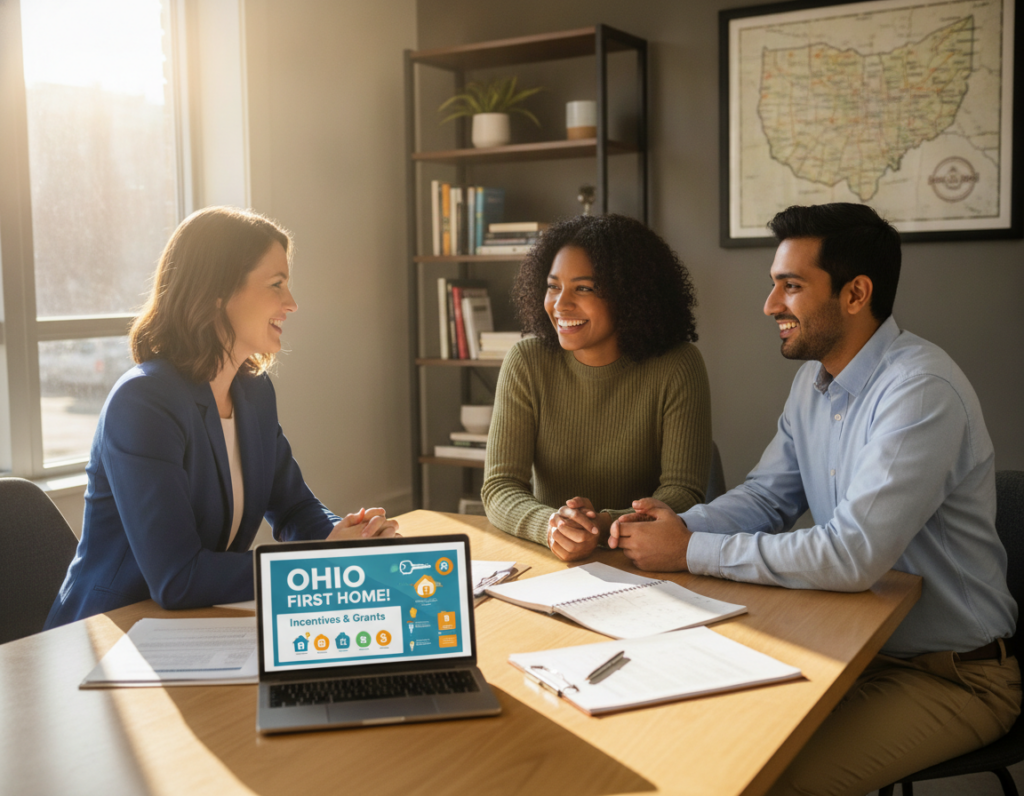
If you’re buying your first home in Ohio, you’ll find many programs to help. The state offers local first-time homebuyer incentives to make housing affordable. These programs are run by the Ohio Housing Finance Agency to help families and individuals.
Ohio Programs Overview
Ohio has many mortgage products and down payment help. You can check them out at the official Ohio homebuyer program portal. These programs aim to give long-term stability to new homeowners.
Assistance for Different Income Levels
Ohio’s support varies based on your income and where you live. For example, public-service workers, veterans, and military get special help. They might get grants or lower interest rates.
People with disabilities or buying in certain areas also get extra help. It’s essential to check these early to save money. Make sure your job or location qualifies for special funds.
Eligibility and Application Tips
To apply, you need to meet income and credit requirements. You must also take a certified homebuyer education course. This course prepares you for owning a home.
Keep your financial papers ready and up to date. Make sure the home you want meets the program’s rules. Working with a lender who knows these local first-time homebuyer incentives will help a lot.
First-Time Homebuyer Programs in Pennsylvania
If you’re buying your first home in Pennsylvania, it’s key to know about local help. Many people ask how to qualify for first-time homebuyer programs. These programs help make buying a home easier. They look at your credit and income.
Unique Programs in Pennsylvania
The Pennsylvania Housing Finance Agency (PHFA) helps a lot. They have loans with good rates and help with down payments. You need to meet income limits and take a homebuyer course.
Eligibility requirements check your debt and credit score. Use a Pennsylvania mortgage calculator to see what you can afford. This helps you know what you can handle before you start looking.
Grants vs. Loans: What’s Best?
When looking at how to qualify for first-time homebuyer programs, you’ll see grants and loans. Grants are free money that you don’t have to pay back. Loans need to be paid back, but only under certain conditions.
“Homeownership is the cornerstone of a stable financial future, but it requires careful planning and a deep understanding of the resources available to you.”
Choosing between grants and loans depends on your goals. Grants are better if you want to avoid debt. Loans might be needed if you need more money for closing costs.
| Feature | Grant Assistance | Deferred Loan |
|---|---|---|
| Repayment | Not required | Required at sale/refi |
| Interest Rate | 0% | Usually 0% |
| Primary Use | Down payment | Closing costs/Down payment |
Supportive Resources for Homebuyers
Getting financing is just the start. After your offer is accepted, you need to manage the contractual timeline carefully. This includes home inspections and making sure the appraisal matches the price.
Having a good real estate agent is key. They help you meet deadlines and get everything ready for your lender. This way, you can go from offer to closing smoothly.
First-Time Homebuyer Programs in Washington
Buying a home in the Pacific Northwest needs careful planning. Knowing about state homebuyer assistance options helps. It makes buying a home more affordable for your family.
Popular Programs in Washington State
The Washington State Housing Finance Commission (WSHFC) has many programs for new buyers. The House Key program gives low-interest mortgage loans to those who qualify.
You might also get down payment help as a second mortgage. These loans often have payments that are delayed. This helps keep your monthly costs low while you build home equity.
Benefits of Homebuyer Education
Going to a certified homebuyer education seminar is often needed for state loans. These classes teach essential knowledge that’s more than just about money.
In these classes, you’ll learn about:
- How to budget and manage debt.
- What to know about property inspections and repairs.
- How to understand real estate contracts and closing documents.
- What it means to take care of a home long-term.
This education helps you make smart choices. It lowers the chance of money problems later. By mastering these concepts, you’ll feel ready to face the Washington real estate market.
Resources for First-Time Buyers
To start, find a WSHFC-approved lender who knows about state programs. They can check if you qualify and help with grants and loans.
Use online portals from state housing agencies to find local counseling. A HUD-approved counselor gives advice that fits your money situation. Remember, understanding state homebuyer assistance options is an ongoing thing. Keep up with new programs and funding limits.
Start early to understand state homebuyer assistance options. Focus on your finances and gather key info. This will help you feel confident as you go.
How to Start Your Homebuying Journey
First, check your credit score to see if it’s good enough for lenders. Then, get a preapproval letter. This shows sellers you’re serious.
Take a housing counseling course early. It gives great insights into the market. It also helps you avoid mistakes.
Preparing Your Finances Accordingly
Save a lot for your down payment and closing costs. Also, work on debt management. Pay off high-interest loans to lower your debt ratio.
Get your financial papers ready early. Keep tax returns, pay stubs, and bank statements safe but easy to find. This helps avoid delays when you find your dream home.
Utilizing Online Resources Effectively
Use official government sites for state homebuyer assistance options. This ensures the info is right. Make sure any lender or program is approved by your state.
Before closing, have all needed documents ready. This includes ID and certified funds. Compare costs of programs to find the best long-term value for you.
Conclusion: Making Homeownership a Reality
Getting your first home needs careful planning and knowing your financial tools. This guide helps you find the right help for buying a home. It shows you how to compare options and see if you qualify for local programs.
The Importance of Timing and Research
The housing market changes fast. This affects interest rates and what you need for a home. You must keep up with the latest news to plan well.
Old information can slow you down. It’s important to stay current to reach your goal of owning a home.
Encouragement for First-Time Homebuyers
Buying a home is a big step, but you can do it. Start by learning what you need to know. Get preapproved by lenders like Wells Fargo or Chase.
Use this guide to stay on track. It helps you check your budget and plan for the future.
Final Thoughts on Homebuying Success
Check all your papers carefully. Work with good real estate agents to look out for you. Your hard work will pay off when you get your keys.
Keep your goals in mind and keep moving. Your journey to a stable home is worth it.