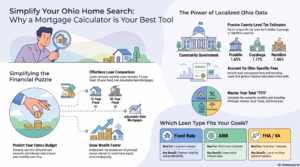

Buying a home is more than just a dream. You need precise financial data to make smart choices. Digital tools help you plan for the future.
By leveraging advanced software, you can see your financial future clearly. These tools let you try out different scenarios. This way, you stay strong even when the market changes.
Knowing about these changes early is key. It helps keep your budget safe and your mind at ease. Planning now sets a strong foundation for your future home.
Key Takeaways
- Digital tools provide essential clarity for complex home buying decisions.
- Modeling different scenarios helps you stay resilient against market shifts.
- Early financial planning protects your long-term budget and stability.
- Understanding variable costs allows for more informed property investments.
- Proactive preparation is the best defense against unexpected economic changes.
Understanding Interest Rate Fluctuations
Getting into mortgage finance means knowing about interest rate changes. These changes can make your monthly payments go up or down. A home loan calculator shows how small rate changes can add up over time.
What Are Interest Rate Fluctuations?
Interest rate changes are normal in the financial world. When rates go up, it costs more to borrow money. This can make your monthly budget tighter. But, when rates fall, you might save money by refinancing.
Knowing these patterns helps you plan your finances better. A good home loan calculator lets you see how different rates affect your mortgage.
Factors That Influence Interest Rates
Many things affect interest rates in the US. The Federal Reserve’s policies are key. If inflation goes up, lenders raise rates to keep their money’s value.
How much people want to buy homes and government bonds also matters. The table below shows how different economic conditions can change your mortgage rates.
| Economic Factor | Typical Impact on Rates | Role of Home Loan Calculator |
|---|---|---|
| High Inflation | Rates Increase | Assess long-term cost |
| Central Bank Easing | Rates Decrease | Evaluate refinancing |
| Strong Market Demand | Rates Increase | Plan your budget |
| Economic Recession | Rates Decrease | Analyze savings potential |
Knowing what affects rates helps you make smart choices about buying a home. Whether you’re new to buying or have done it before, having a home loan calculator ready helps you stay on top of market changes.
The Importance of Mortgage Calculators
A mortgage calculator is more than a tool. It’s a key to understanding your finances for buying a home. With a mortgage rate calculator, you can feel sure when buying a home.
Benefits of Using a Mortgage Calculator
These tools make complex math easy. You can quickly see what your monthly payments will be. This helps you know how much you can really afford.
“The bitterness of poor quality remains long after the sweetness of low price is forgotten.”
With a good mortgage loan calculator, you can compare loans easily. You can see how different choices affect your costs. This helps you make smart choices that fit your goals.
How a Mortgage Calculator Works
These tools use specific info to show you your loan details. To get the best results, you need to enter a few key pieces of information:
- Loan Principal: The total amount you plan to borrow.
- Interest Rate: The yearly rate on your loan.
- Loan Term: How long you’ll take to pay back the loan.
After you put in these numbers, the calculator shows your monthly payments. A top-notch mortgage loan calculator also lets you add in property taxes and insurance. This gives you a full picture of what owning a home will cost.
Key Features to Look for in a Mortgage Calculator
Not all mortgage calculators are the same. You need tools that are flexible and deep. Whether you’re looking at a fixed rate mortgage calculator or something more complex, the right tool helps you make smart choices.
Adjustable Rate Calculators
An adjustable rate mortgage calculator is key if you’re thinking about a loan that changes. It shows how rates might change after the first period. This helps you get ready for possible higher monthly payments.
Knowing about these changes early can save you money later. A good adjustable rate mortgage calculator will show you when and how payments might change. This is very important for keeping your finances stable over time.
Payment Scheduling Options
It’s not just about the interest rate. You also need to think about other costs like property taxes and insurance. These costs add up and affect your monthly budget.
Good calculators let you play with different payment plans. This way, you can see how making extra payments can save you money. Getting the numbers right is key to understanding what you’re committing to before you sign anything.
Preparing for Future Interest Rate Changes
Homeowners can prepare for interest rate hikes by modeling their impact. This way, they can keep their housing costs in check, even if the economy changes. Taking these steps today provides peace of mind for your financial future.
Simulating Different Scenarios
Running “what-if” scenarios with your mortgage can be very helpful. An interest rate prediction tool shows how rate changes affect your monthly payment. It helps you see how much you can afford in your budget.
Testing these scenarios is like stress-testing your finances. It’s smart to think about how rate jumps might affect your other bills. Preparation is the key to avoiding stress when the market changes.
Analyzing Long-Term Costs
Looking at the total cost of your loan is important. An interest rate prediction tool helps you see how much extra interest you might pay if rates go up. This shows if a home price is right for you or not.
Careful evaluation helps you avoid spending too much on a home. Knowing the long-term effects of rate changes helps you make a smart choice. Staying within your means protects your investment for the future.
Getting Started with a Mortgage Calculator
Starting your financial journey begins with a good mortgage rate calculator. These tools help you plan your home purchase. They show you different outcomes before you choose a lender. This way, you can understand your financial future better.
Choosing the Right Calculator
Look for a home loan calculator that’s easy to use and clear. It should not ask for your personal info. A great tool is simple, works well with complex data, and is easy to find.
“A goal without a plan is just a wish.”
Entering Your Financial Information
To get a good estimate, enter your financial details. Start with your home price, down payment, and interest rate. These numbers help your mortgage rate calculator show what you might owe in the future.
After getting your results, check if they fit the 28/36 rule. This rule means your housing costs should be less than 28% of your income. Your total debt payments should be under 36%. Using a home loan calculator this way helps keep your payments in line with your budget.
Assessing Your Current Mortgage Options
Starting your journey to owning a home means looking at your mortgage closely. It’s important for both new buyers and long-time homeowners. A fixed rate mortgage calculator helps you see if stable payments fit your budget.

Fixed vs. Adjustable Rate Mortgages
Deciding between fixed and adjustable loans is a big choice. Fixed loans give you steady payments, while adjustable loans might start lower. Use an adjustable rate mortgage calculator to see how rates could change your payments.
| Feature | Fixed-Rate | Adjustable-Rate |
|---|---|---|
| Payment Stability | High | Low |
| Initial Interest | Standard | Often Lower |
| Long-term Risk | Minimal | Higher |
Refinancing Your Current Mortgage
Maybe you’re thinking about changing your mortgage. A mortgage refinance calculator lets you compare your current rate to new ones. It shows if refinancing could save you money, despite the costs.
“Financial peace of mind is not about having the most money, but about having a plan that aligns with your life goals.”
Before refinancing, think about a few things:
- Your loan balance and current rate.
- The total cost of refinancing, including fees.
- How long you’ll stay in your home.
Using these calculators helps you make a smart choice. Whether it’s a fixed rate mortgage calculator or a mortgage refinance calculator, they give you the info you need. Remember, your mortgage is a big part of your financial plan.
Impact of Interest Rate Changes on Monthly Payments
A small change in interest rates can quickly change your monthly mortgage payment. Even a tiny fraction of a percentage point can make a big difference. Staying proactive helps keep your budget safe from market ups and downs.
How Small Fluctuations Can Affect You
When interest rates go up, more of your payment goes to interest. This makes your total monthly cost higher. This is especially true for long-term loans, where compounding interest matters a lot.
Small changes might seem small at first. But they can add up to big differences over time.
Knowing about these changes helps you get ready for higher housing costs. You can add a safety net to your budget. This way, you won’t be surprised by sudden financial changes.
Calculating Potential Payment Changes
To understand how these changes work, use a mortgage payment calculator. This tool lets you try different interest rates to see how your payments might change. It helps you understand the math behind your loan.
Using a mortgage payment calculator is key to planning your finances. It shows you the costs of your loan over time. Empowering yourself with this info means you’re always ready for rate changes.
Creating a Budget with Interest Rate in Mind
Creating a good home budget means looking at more than just what you spend now. When you’re buying a home, think about how the economy might change. These changes could affect your money in the future.
Being a good homeowner means planning ahead. This way, your home can be a place of comfort, not stress.
Importance of Budgeting for Rate Increases
Using a mortgage affordability calculator is key. It shows how interest rates change your monthly payments. This helps you see if you can afford a home.
Make sure your payments fit with your other important money goals. If a payment seems too high, think about your budget again before you buy.
Setting Up an Emergency Fund
Try out your mortgage payment with a financial test drive. Save the difference between your rent and mortgage payment for a few months. This checks if buying a home works with your money life.
If saving is hard, you might need to change your plans. Or use a mortgage affordability calculator to find a better price.
The table below shows how your budget might change with interest rate changes:
| Budget Category | Stable Rate Scenario | Increased Rate Scenario |
|---|---|---|
| Housing Payment | 30% of Income | 35% of Income |
| Emergency Savings | 10% of Income | 5% of Income |
| Discretionary Spending | 20% of Income | 15% of Income |
| Retirement Fund | 15% of Income | 15% of Income |
Strategies for Minimizing Interest Rate Risks
Planning ahead can protect your budget from changing interest rates. By being proactive, you can lessen the effect of rate changes on your monthly costs. Effective risk management helps keep your finances stable over time.

Locking in Interest Rates
Securing a rate lock with your lender is a smart move. This deal keeps your interest rate the same for a set time, usually while your loan is being processed. Securing this rate stops sudden rate increases from raising your costs before you buy your home.
Know how long your rate lock lasts. Make sure your closing date matches the rate lock’s end. If you’re late, you might pay extra fees or get a higher rate.
Shopping Around for Better Rates
Don’t accept the first rate from a lender. Rates vary between lenders due to different criteria and risk levels. Comparing multiple offers helps you find the best deal.
Use a mortgage payment calculator to see how rates affect your loan costs. This tool shows the total loan cost over time, not just the monthly payment. By trying different scenarios, you can find the best deal for your money.
While a low rate is important, remember the house is your biggest investment. Look for a home that fits your life and budget well. Balancing a good interest rate with a smart purchase price is key to success.
Evaluating Mortgage Terms and Conditions
Looking at more than just the interest rate is key. The terms and conditions of your loan can change your costs a lot. Many people only look at the monthly payment. But, hidden clauses can cause money problems later.
It’s important to read your contract carefully. This way, you know what you’re agreeing to.
Understanding Prepayment Penalties
A prepayment penalty is a fee for paying off your mortgage early. It’s meant to help the lender if you refinance or sell your home too soon. Always check your loan documents for this before you sign.
If you want to pay off your mortgage fast, watch out for these penalties. Use a mortgage affordability calculator to see if it’s worth it. Knowing about these penalties early can save you from surprises later.
Importance of Closing Costs
Closing costs are fees you pay at the end of a real estate deal. These include things like appraisal fees and title insurance. These costs can be 2% to 5% of your loan amount. Not planning for these costs can leave you short on money.
When thinking about a new loan, think about these costs and interest savings. A mortgage refinance calculator can help you see if it’s worth the upfront cost. Make sure the benefits last as long as you plan to stay in your home.
| Loan Term Feature | Potential Impact | Action Required |
|---|---|---|
| Prepayment Penalty | High cost for early payoff | Negotiate removal |
| Closing Costs | Reduces immediate liquidity | Budget for upfront fees |
| Rate Lock Period | Protects against volatility | Verify expiration date |
| Escrow Requirements | Increases monthly cash flow | Review tax and insurance |
Staying Informed About Market Trends
Homeowners who stay ahead of the game do well. They use a mortgage calculator to get ready for changes in interest rates. This helps them avoid surprises and feel more in control.
Reliable Tracking Resources
Bankrate and NerdWallet are great for keeping up with trends. They show you how rates have changed before. You can also use an interest rate prediction tool to see what might happen next.
Engaging with Financial News
Signing up for newsletters from the Federal Reserve or The Wall Street Journal is smart. They tell you about big changes that could affect your money. Talking to a financial planner helps you understand how these changes might impact you. Staying alert helps you make good choices as a homeowner.